
 Translate
News
SADC and Germany Launch New Initiative to Strengthen Regional Cooperation Against Wildlife Crime in Southern Africa
23 November 2026
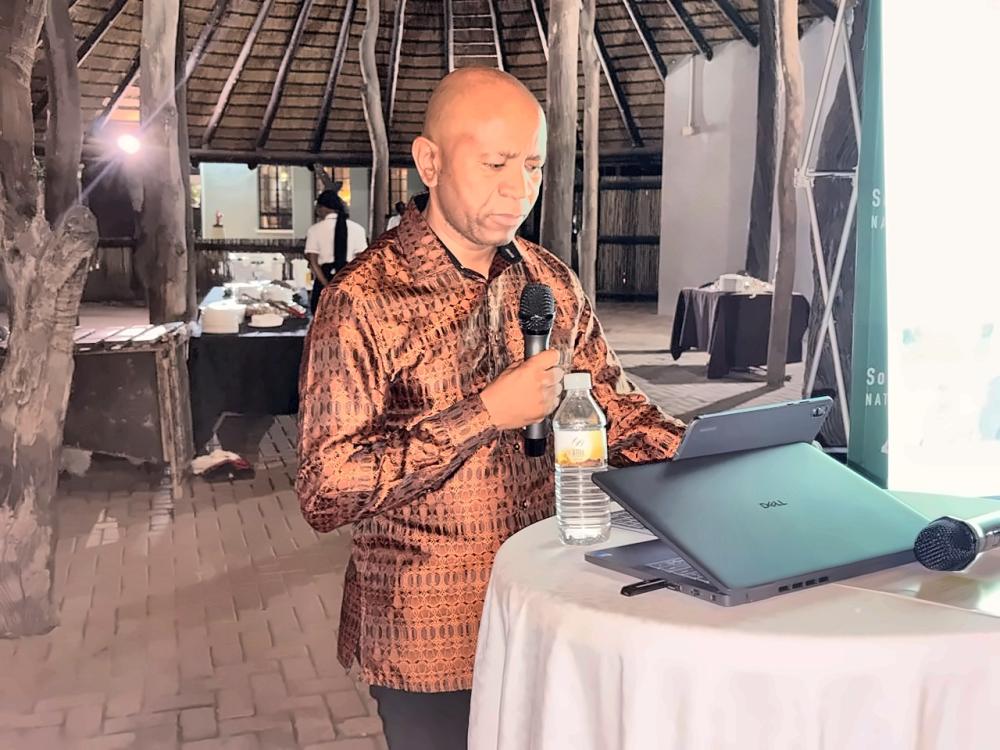
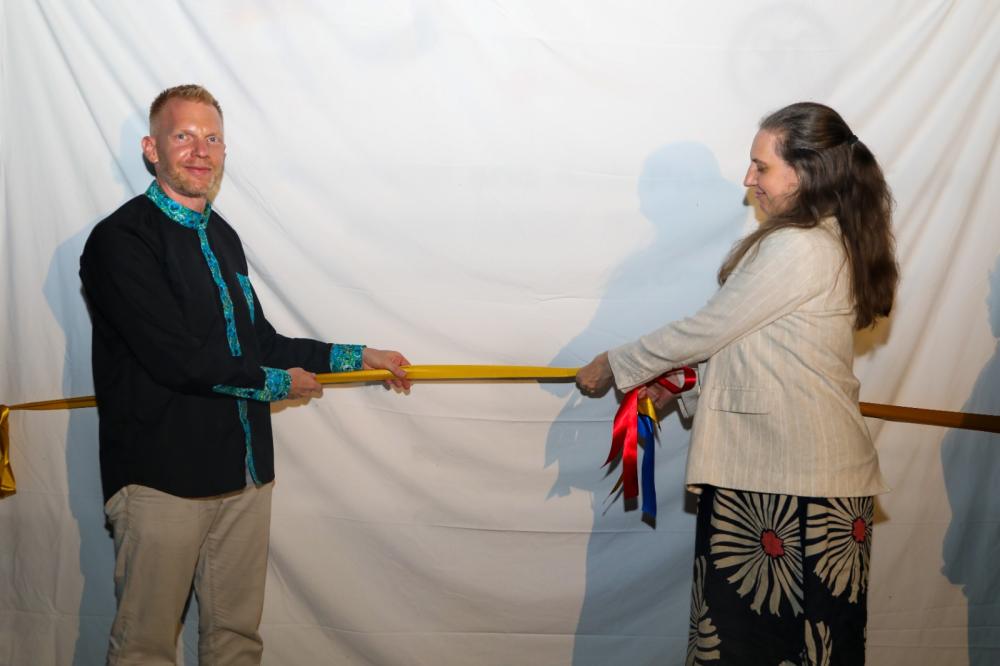
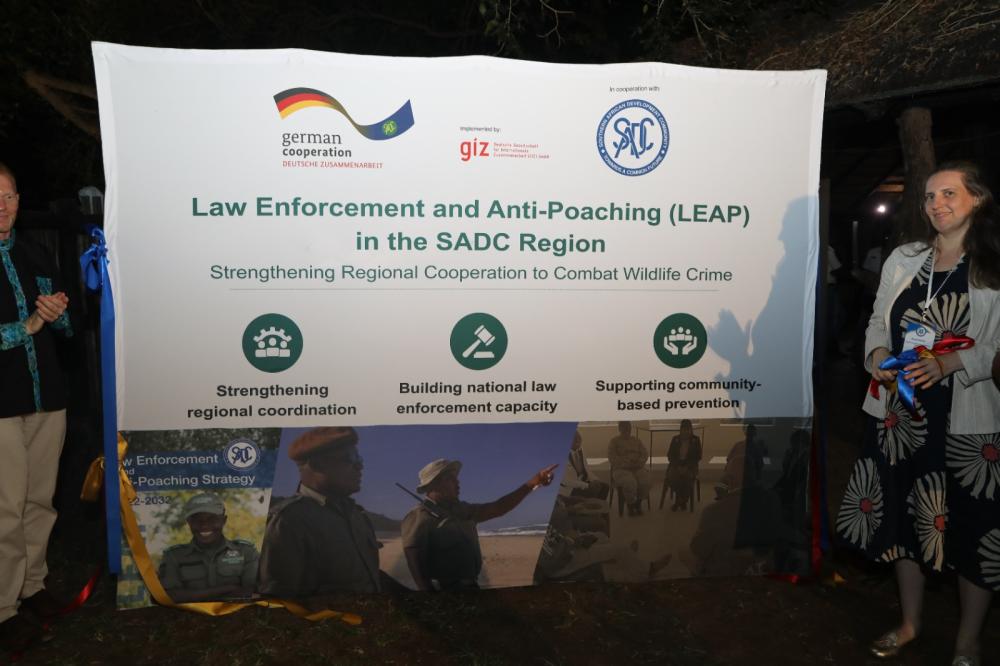
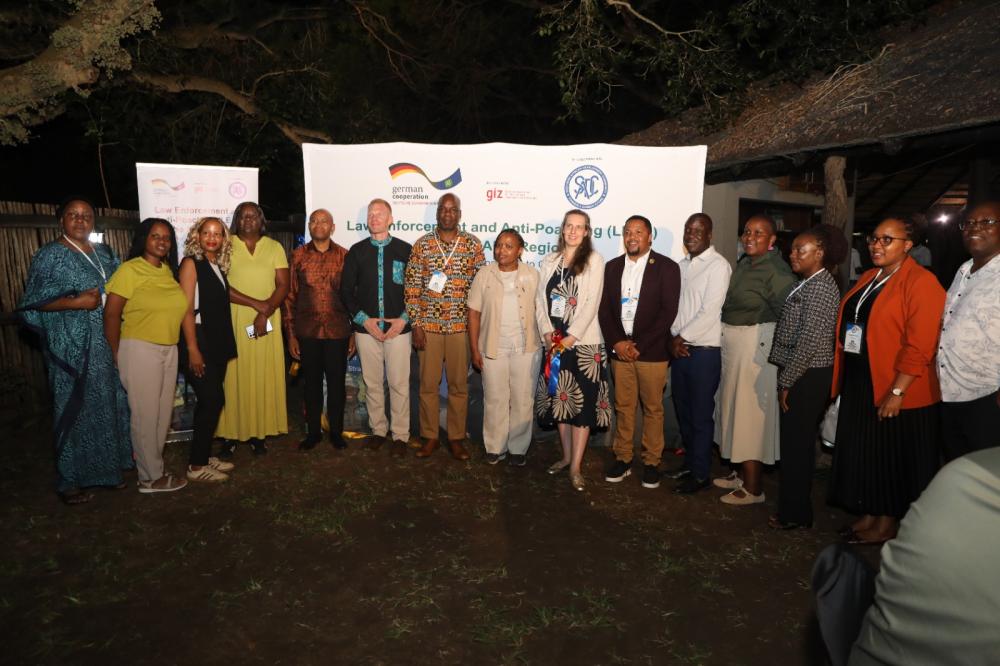
12 November 2026 | Skukuza, South Africa – The Southern African Development Community (SADC), in partnership with the German Government, has officially launched the “Law Enforcement and Anti-Poaching (LEAP) in the SADC Region – Strengthening Regional Cooperation to Combat Wildlife Crime” Project, a new regional initiative aimed at strengthening cooperation among SADC Member States to combat wildlife crime, protect biodiversity and safeguard the region's natural heritage.
The launch took place on the margins of the SADC Transfrontier Conservation Areas (TFCAs) Network meeting, which brought together representatives of SADC Member States, conservation and law enforcement institutions, local communities and development partners, reinforcing a shared commitment to tackling wildlife crime through coordinated regional action.
Southern Africa is home to some of the world's most important wildlife populations, including elephants, rhinoceroses, lions and pangolins. However, poaching and illegal wildlife trafficking continue to threaten biodiversity, undermine conservation efforts and affect the livelihoods of communities that depend on natural resources. As wildlife criminal trafficking networks cross national borders, effective responses require stronger cooperation, coordinated law enforcement and active community participation.
To address these challenges, the SADC Secretariat and its Member States developed the SADC Law Enforcement and Anti-Poaching (LEAP) Strategy (2022 – 2032). The newly launched LEAP project will support its implementation by strengthening regional coordination, improving national law enforcement capacities and promoting community-based approaches to preventing wildlife crime.
Fully Funded by the German Government the project will be implemented by German Cooperation’s TA implementing agency, the Deutsche Gesellschaft für Internationale Zusammenarbeit (GIZ) GmbH, in cooperation with the SADC Secretariat.
The project focuses on three interconnected areas:
Speaking at the launch, Professor Kula Ishmael Theletsane, Director of the Organ on Politics, Defence and Security Affairs at the SADC Secretariat, said: “The challenge before us is no longer simply the absence of regional strategies but ensuring that our agreed strategies are translated into coordinated actions and measurable results. Wildlife populations do not recognise political boundaries, and neither do the criminal networks that exploit them.”
He added: “We must ensure that communities are not merely viewed as beneficiaries of conservation, but as partners whose knowledge, participation and legitimate interests are integral to successful wildlife management. The true measure of this partnership will be what we achieve together on the ground, across our borders and within the communities that coexist with wildlife.”
Ms Simone Goertz, Head of Economic and Development Cooperation at the Embassy of the Federal Republic of Germany in Gaborone, highlighted Germany's long-standing partnership with SADC, stating: “For the past twenty-five years, Germany has been a committed partner for SADC TFCAs.
And over time, that cooperation has evolved: from support to individual TFCAs, to regional financing, to training, governance, climate resilience, economic empowerment and knowledge exchange. The new SADC-German LEAP project builds on this. It is not only about the protection of biodiversity but also about the rule of law, regional stability and effective cross-border cooperation. And it is about the daily reality of people who live in and around protected areas. In this sense, the project aims at preventing poaching and wildlife trafficking as much as at safeguarding livelihoods of local communities living in co-existence with wildlife.”
Read full press release below.
Southern Africa is home to some of the world's most important wildlife populations, including elephants, rhinoceroses, lions and pangolins. However, poaching and illegal wildlife trafficking continue to threaten biodiversity, undermine conservation efforts and affect the livelihoods of communities that depend on natural resources. As wildlife criminal trafficking networks cross national borders, effective responses require stronger cooperation, coordinated law enforcement and active community participation.
To address these challenges, the SADC Secretariat and its Member States developed the SADC Law Enforcement and Anti-Poaching (LEAP) Strategy (2022 – 2032). The newly launched LEAP project will support its implementation by strengthening regional coordination, improving national law enforcement capacities and promoting community-based approaches to preventing wildlife crime.
Fully Funded by the German Government the project will be implemented by German Cooperation’s TA implementing agency, the Deutsche Gesellschaft für Internationale Zusammenarbeit (GIZ) GmbH, in cooperation with the SADC Secretariat.
The project focuses on three interconnected areas:
- Strengthening regional cooperation: Improving the capacity of the SADC Secretariat to coordinate and support Member States in implementing the SADC LEAP Strategy and advancing regional cooperation to combat wildlife crime.
- Building national law enforcement capacity: Providing training and capacity development for national authorities, wildlife agencies and law enforcement institutions to strengthen their human and operational capacities to detect, investigate and prosecute wildlife crimes.
- Supporting community-based prevention: Promoting gender-sensitive approaches and strengthening cooperation with local communities in selected TFCAs. By addressing human–wildlife conflict and increasing community participation in conservation, the project contributes to preventing poaching and wildlife trafficking.
Speaking at the launch, Professor Kula Ishmael Theletsane, Director of the Organ on Politics, Defence and Security Affairs at the SADC Secretariat, said: “The challenge before us is no longer simply the absence of regional strategies but ensuring that our agreed strategies are translated into coordinated actions and measurable results. Wildlife populations do not recognise political boundaries, and neither do the criminal networks that exploit them.”
He added: “We must ensure that communities are not merely viewed as beneficiaries of conservation, but as partners whose knowledge, participation and legitimate interests are integral to successful wildlife management. The true measure of this partnership will be what we achieve together on the ground, across our borders and within the communities that coexist with wildlife.”
Ms Simone Goertz, Head of Economic and Development Cooperation at the Embassy of the Federal Republic of Germany in Gaborone, highlighted Germany's long-standing partnership with SADC, stating: “For the past twenty-five years, Germany has been a committed partner for SADC TFCAs.
And over time, that cooperation has evolved: from support to individual TFCAs, to regional financing, to training, governance, climate resilience, economic empowerment and knowledge exchange. The new SADC-German LEAP project builds on this. It is not only about the protection of biodiversity but also about the rule of law, regional stability and effective cross-border cooperation. And it is about the daily reality of people who live in and around protected areas. In this sense, the project aims at preventing poaching and wildlife trafficking as much as at safeguarding livelihoods of local communities living in co-existence with wildlife.”
Read full press release below.
 For more information please download the attached pdf