
 Translate
News
SADC TFCA Network Annual Meeting 2026 - Strengthening Partnerships and Sharing Knowledge
23 November 2026
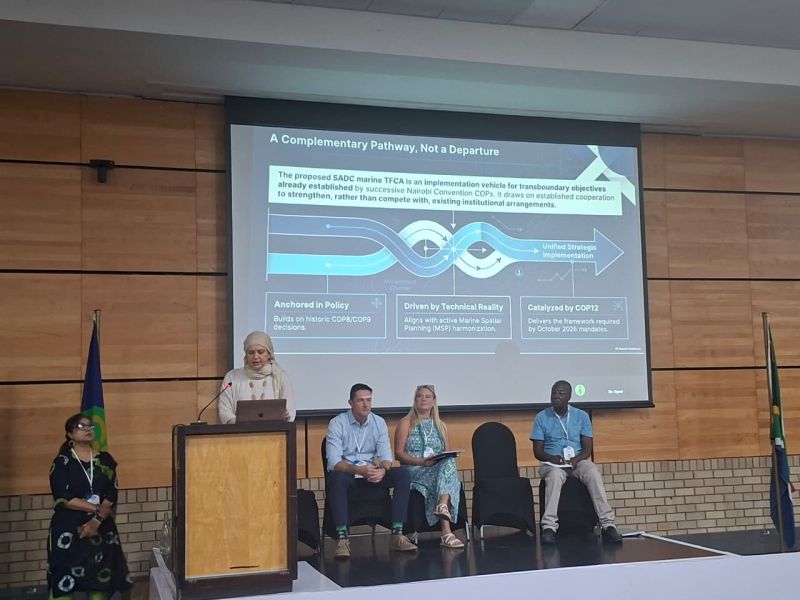
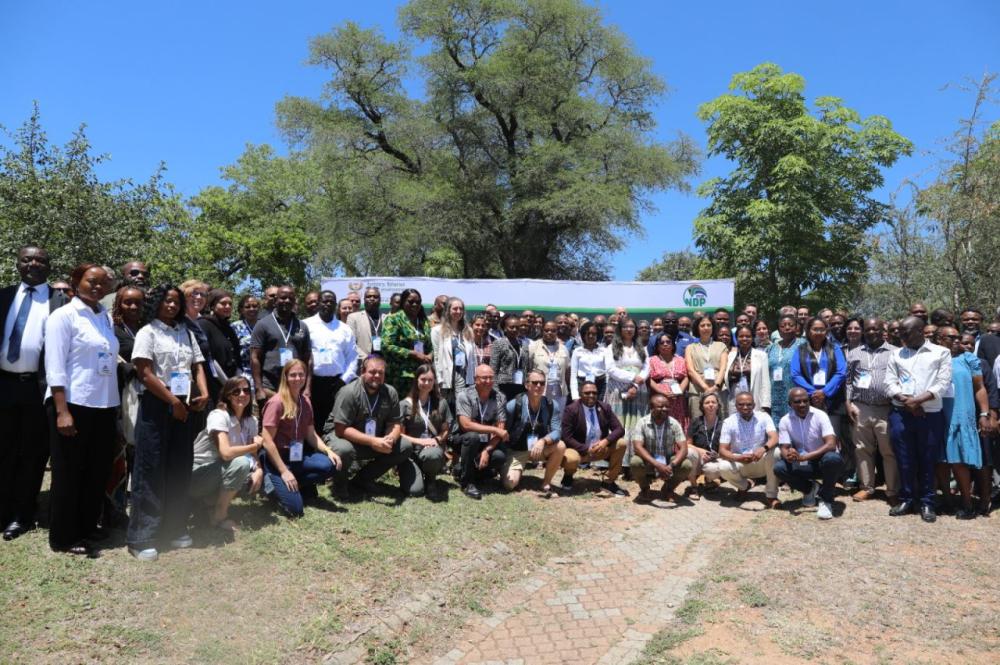
From wildlife management and community enterprise development in the Greater Limpopo landscape to regional dialogue on sustainable financing, climate resilience and transboundary conservation, the SADC TFCA Network Annual Meeting 2026 brought together partners to advance a shared vision for Southern Africa's transfrontier conservation landscapes.
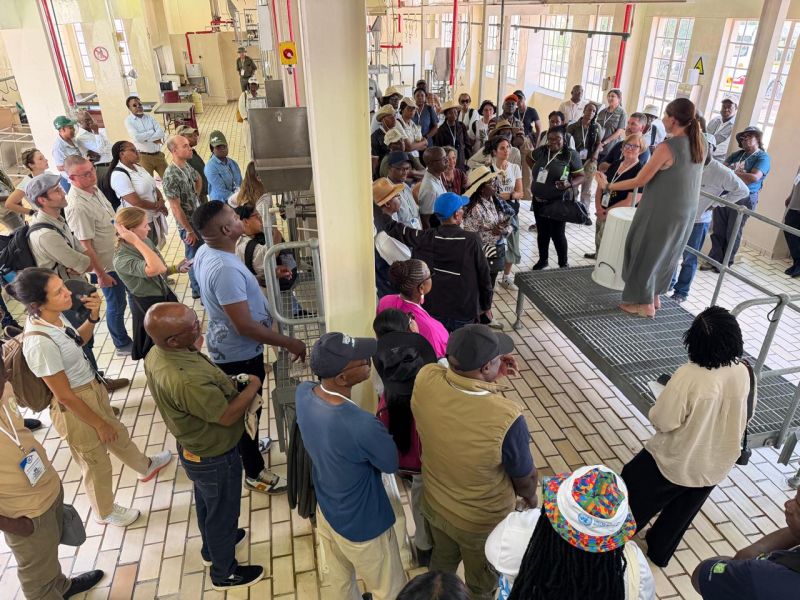
The Southern African Development Community (SADC) Transfrontier Conservation Areas (TFCA) Network Annual Meeting 2026 commenced with an immersive field visit to the Kruger National Park and the Greater Limpopo Transfrontier Conservation Area (GLTFCA) landscape in South Africa. The visit provided delegates with an opportunity to explore practical approaches to wildlife management, sustainable utilisation and community-based enterprise development, highlighting how conservation can contribute to local livelihoods and inclusive economic opportunities.
Delegates visited the SANParks Skukuza Game Processing Plant, where they gained insights into wildlife management practices, game meat processing and the potential for sustainable utilisation to support conservation objectives and community beneficiation. The visit demonstrated how wildlife-based value chains can create opportunities for local participation while contributing to the broader management of protected landscapes.
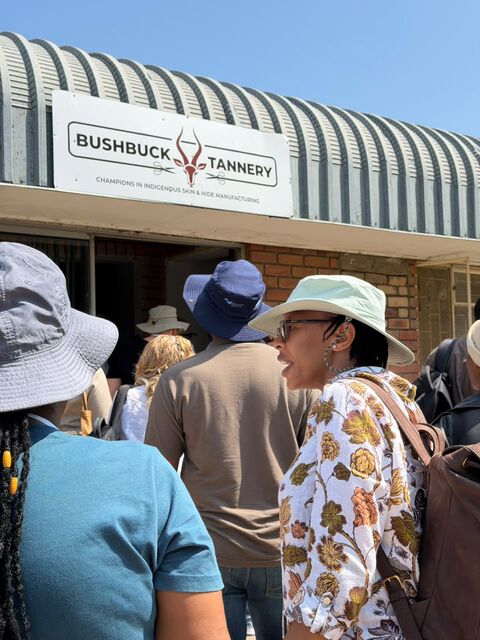
The programme also included a visit to Bushbuck Tannery & Crafts, a 100% locally owned, predominantly youth-led community enterprise. Delegates learned how wildlife by-products can be transformed into value-added products, creating opportunities for entrepreneurship, skills development, employment and local economic participation. The enterprise provided a practical example of how community-led initiatives can connect conservation with sustainable livelihoods and demonstrate the potential of wildlife-based economies.
Building on these field experiences, the meeting brought together representatives from SADC Member States, regional institutions, conservation organisations, development partners and other stakeholders to reflect on progress in implementing the SADC TFCA Programme and identify opportunities to strengthen transboundary conservation across the region.
Discussions over the subsequent two days focused on advancing shared conservation priorities, strengthening regional partnerships and translating policy commitments into practical action. Key areas of deliberation included sustainable financing, resource mobilisation and partnerships to support the long-term financial sustainability of TFCAs. Delegates also explored opportunities for closer collaboration between TFCAs and River Basin Organisations (RBOs), recognising the important interconnections between biodiversity conservation, water security, ecosystem health and climate resilience.
The final day of the meeting focused on thematic workshops and practical knowledge exchange, providing participants with an opportunity to share experiences, lessons and approaches across a range of priority areas. These included wildlife-based economies, human-wildlife coexistence, community participation, sustainable tourism, marine and freshwater conservation, monitoring and evaluation, co-management partnerships and climate resilience.
Particular emphasis was placed on ensuring that conservation delivers tangible and equitable benefits for communities living in and around TFCAs. Discussions highlighted the importance of strengthening local enterprise development, expanding employment opportunities, supporting inclusive public-private-community partnerships and ensuring that communities have a meaningful role in conservation decision-making. The field visit to the Greater Limpopo landscape reinforced these discussions by demonstrating how locally owned enterprises and the sustainable utilisation of natural resources can contribute to both conservation outcomes and local economic development.
The meeting concluded on Thursday, 12 November 2026, with consolidated recommendations and priority actions to guide continued collaboration through the SADC TFCA Network and its partners. These outcomes will contribute to ongoing efforts to strengthen implementation of the SADC TFCA Programme, enhance institutional and technical cooperation, mobilise resources and promote more inclusive and resilient conservation landscapes across Southern Africa.
The SADC TFCA Network Annual Meeting 2026 was supported by the German Government and the European Union, in collaboration with the SADC Secretariat and South Africa's Department of Forestry, Fisheries and the Environment (DFFE).
Through continued regional cooperation, knowledge exchange and strategic partnerships, SADC Member States and their partners are working towards a future in which biodiversity is protected, ecosystems are sustained and communities are recognised as active partners and beneficiaries of conservation and sustainable development.
For more information contact: Steve Collins on Steve.Collins@gopa.eu